Click Here
Cart

Order the instant New York Times bestseller: The 5 Types of Wealth

Order My NYT Bestselling Book

A Lesson From a Mentor I'll Never Forget

Sahil Bloom

Welcome to the 242 new members of the curiosity tribe who have joined us since Wednesday. Join the 57,887 others who are receiving high-signal, curiosity-inducing content every single week.

What’s a Rich Text element?

The rich text element allows you to create and format headings, paragraphs, blockquotes, images, and video all in one place instead of having to add and format them individually. Just double-click and easily create content.

Static and dynamic content editing

A rich text element can be used with static or dynamic content. For static content,

just drop it into any page and begin editing. For dynamic content, add a rich text field to any collection and then connect a rich text element to that field in the settings panel. Voila!

  • mldsa
  • ,l;cd
  • mkclds

How to customize formatting for each rich text

Headings, paragraphs, blockquotes, figures, images, and figure captions can all be styled after a class is added to the rich text element using the "When inside of"

nested selector

system.

Last Monday was Tim Cook's last day as Apple CEO.

He joined Apple in March 1998 as its Senior Vice President for Worldwide Operations, became COO in January 2007, and ascended to the role of CEO in August 2011.

During his 15 years at the helm, he oversaw the creation of over $4 trillion of market value.

But any random news article you read about his departure can give you these facts. They're known and widely talked about.

I want to share something you can't get anywhere else. A lesson I learned from the man, not the public figure.

I first met Tim in 2014.

I was just starting my career in finance. I had played baseball in college and was determined to keep some semblance of a physical routine despite the long hours I knew I'd have to work as an analyst.

That meant getting to the gym early before work.

I looked around and found that the local Equinox opened at 5:00am, though some of the reviews said they opened their doors a bit earlier if there was a crowd.

Sold. I signed up and started arriving at 4:45am so I could get to the office by 6:30.

Each morning, there was a small handful of others who would congregate outside the doors at that time, and the staff would usually (though somewhat reluctantly) open up early for us.

Tim happened to be one of the people in that group.

For the first six months, I talked to him almost every day and had exactly zero idea who he was.

If this sounds crazy, it's worth noting that (a) he was not nearly as famous as he later became (b) I wasn't in the technology world and (c) having played college sports, I was frankly quite oblivious to the entire business world.

I remember being shocked after someone told me that the guy I was talking to in the mornings was the CEO of Apple.

I suppose I was shocked for two reasons:

  1. He had zero pretension about him. I never would have known how important or powerful he was. He was, quite literally, just one of the early morning crew.
  2. He was already successful. Why the hell was he waking up at 4am to go to the gym? My entire mental model of success said that you worked hard to become successful, then you would chill.

But this was in 2014. He was the relatively new CEO at the time. There were still questions about whether he was going to be an effective successor to the legend that was Steve Jobs. A lot of people weren't sure he would be able to fill those enormous shoes.

So, maybe he was still trying to prove something. Maybe that would explain it.

As our friendship grew and I came to consider him a mentor, I realized something deeper was going on.

A few years later, he was still there. Doing the exact same thing. Every single day. Working out at 4:45am and heading straight into the office.

I vividly recall one morning at the gym watching some CNBC pundit (maybe Jim Cramer) call him the most credible CEO in the world. I'm sure he heard things like that every day.

He had every reason to chill. To become bigger. To change.

Frankly, he had every reason to stop helping or supporting someone like me. People who had little tangible value to offer in return.

And yet, there he was.

He had created a trillion dollars of value. Presidents were seeking him out. People were calling him one of the best CEOs in the world. And he was still showing up at 4:45am. Still doing the same thing. Still offering thoughtful advice when I needed it most.

Because he is the best example I've seen of an old Zen saying:

What do you do before enlightenment? Chop wood, carry water. What do you do after enlightenment? Chop wood, carry water.

As you start to experience success, notoriety, and achievement, it’s easy to lose sight of what got you those things in the first place. The mindsets. The values. The standards. The work.

It’s easy to get distracted by results. By recognition. By the illusion that success somehow exempts you from the basics.

It doesn’t.

The outcomes may change. The titles may change. The scale may change. The power and influence may change.

But the work doesn’t.

Chopping wood and carrying water means showing up when no one is watching. Doing the boring things well. Being reliable. Executing consistently. Living according to your values and standards. Returning to fundamentals even when the world tells you that you’re above them.

Especially then.

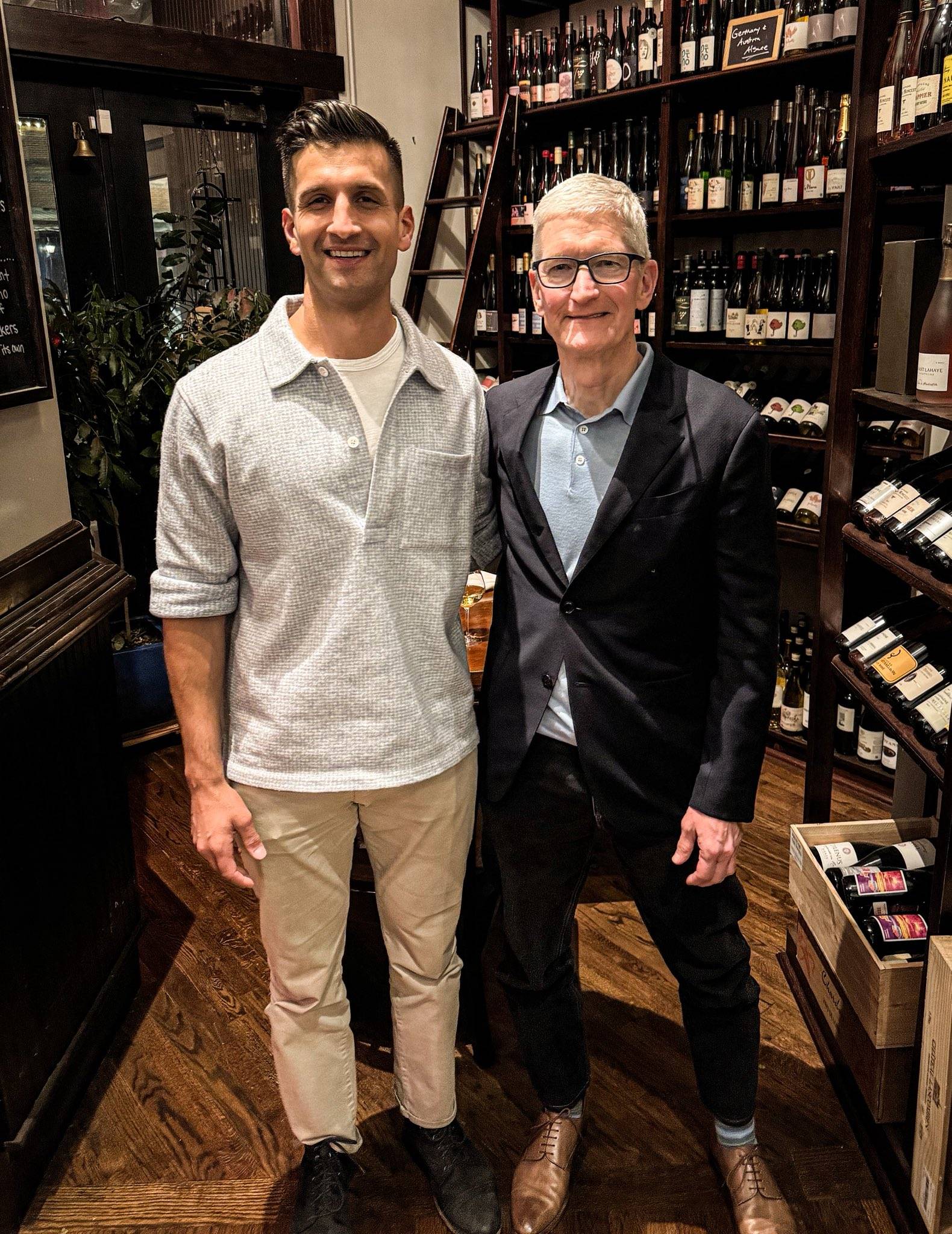
Tim has been an example of that in my life. He never said any of it. He's not one to talk about himself. He just lived by it. I'm grateful for having been able to see it up close.

And I also know that whatever he does next, the same practice will apply:

Chop wood, carry water.

It's a lesson I'll never forget.
A Lesson From a Mentor I'll Never Forget

Sahil Bloom

Welcome to the 242 new members of the curiosity tribe who have joined us since Wednesday. Join the 57,887 others who are receiving high-signal, curiosity-inducing content every single week.

What’s a Rich Text element?

The rich text element allows you to create and format headings, paragraphs, blockquotes, images, and video all in one place instead of having to add and format them individually. Just double-click and easily create content.

Static and dynamic content editing

A rich text element can be used with static or dynamic content. For static content,

just drop it into any page and begin editing. For dynamic content, add a rich text field to any collection and then connect a rich text element to that field in the settings panel. Voila!

  • mldsa
  • ,l;cd
  • mkclds

How to customize formatting for each rich text

Headings, paragraphs, blockquotes, figures, images, and figure captions can all be styled after a class is added to the rich text element using the "When inside of"

nested selector

system.

Last Monday was Tim Cook's last day as Apple CEO.

He joined Apple in March 1998 as its Senior Vice President for Worldwide Operations, became COO in January 2007, and ascended to the role of CEO in August 2011.

During his 15 years at the helm, he oversaw the creation of over $4 trillion of market value.

But any random news article you read about his departure can give you these facts. They're known and widely talked about.

I want to share something you can't get anywhere else. A lesson I learned from the man, not the public figure.

I first met Tim in 2014.

I was just starting my career in finance. I had played baseball in college and was determined to keep some semblance of a physical routine despite the long hours I knew I'd have to work as an analyst.

That meant getting to the gym early before work.

I looked around and found that the local Equinox opened at 5:00am, though some of the reviews said they opened their doors a bit earlier if there was a crowd.

Sold. I signed up and started arriving at 4:45am so I could get to the office by 6:30.

Each morning, there was a small handful of others who would congregate outside the doors at that time, and the staff would usually (though somewhat reluctantly) open up early for us.

Tim happened to be one of the people in that group.

For the first six months, I talked to him almost every day and had exactly zero idea who he was.

If this sounds crazy, it's worth noting that (a) he was not nearly as famous as he later became (b) I wasn't in the technology world and (c) having played college sports, I was frankly quite oblivious to the entire business world.

I remember being shocked after someone told me that the guy I was talking to in the mornings was the CEO of Apple.

I suppose I was shocked for two reasons:

  1. He had zero pretension about him. I never would have known how important or powerful he was. He was, quite literally, just one of the early morning crew.
  2. He was already successful. Why the hell was he waking up at 4am to go to the gym? My entire mental model of success said that you worked hard to become successful, then you would chill.

But this was in 2014. He was the relatively new CEO at the time. There were still questions about whether he was going to be an effective successor to the legend that was Steve Jobs. A lot of people weren't sure he would be able to fill those enormous shoes.

So, maybe he was still trying to prove something. Maybe that would explain it.

As our friendship grew and I came to consider him a mentor, I realized something deeper was going on.

A few years later, he was still there. Doing the exact same thing. Every single day. Working out at 4:45am and heading straight into the office.

I vividly recall one morning at the gym watching some CNBC pundit (maybe Jim Cramer) call him the most credible CEO in the world. I'm sure he heard things like that every day.

He had every reason to chill. To become bigger. To change.

Frankly, he had every reason to stop helping or supporting someone like me. People who had little tangible value to offer in return.

And yet, there he was.

He had created a trillion dollars of value. Presidents were seeking him out. People were calling him one of the best CEOs in the world. And he was still showing up at 4:45am. Still doing the same thing. Still offering thoughtful advice when I needed it most.

Because he is the best example I've seen of an old Zen saying:

What do you do before enlightenment? Chop wood, carry water. What do you do after enlightenment? Chop wood, carry water.

As you start to experience success, notoriety, and achievement, it’s easy to lose sight of what got you those things in the first place. The mindsets. The values. The standards. The work.

It’s easy to get distracted by results. By recognition. By the illusion that success somehow exempts you from the basics.

It doesn’t.

The outcomes may change. The titles may change. The scale may change. The power and influence may change.

But the work doesn’t.

Chopping wood and carrying water means showing up when no one is watching. Doing the boring things well. Being reliable. Executing consistently. Living according to your values and standards. Returning to fundamentals even when the world tells you that you’re above them.

Especially then.

Tim has been an example of that in my life. He never said any of it. He's not one to talk about himself. He just lived by it. I'm grateful for having been able to see it up close.

And I also know that whatever he does next, the same practice will apply:

Chop wood, carry water.

It's a lesson I'll never forget.